



 https://ri-son.com
Dog Exercise Ideas: Walks, Brain Games & Puzzle Toys
Dog exercise is not only about running until a pet gets tired. Walking, sniffing, problem solving and interactive play offer different kinds of stimulation. For many dogs, a mix of movement and mental challenges makes the day more satisfying.
How Much Exercise Does Your Dog Need?
There is no single daily target for every breed or age. Puppies, adults and seniors have different exercise limits, while health conditions may require a veterinarian's guidance. Plan walks based on your dog's fitness, weather and recovery. The American Veterinary Medical Association's pet care resources provide general activity and safety information. Watch for fatigue, limping, heat stress or reluctance to continue. Rest and hydration are part of a good routine.
1. Let Your Dog Sniff During Walks
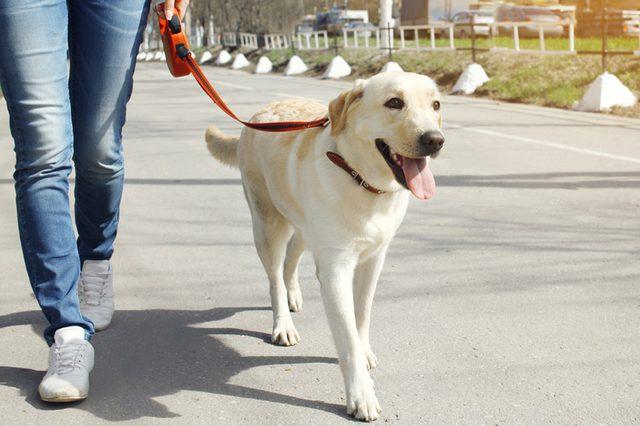
A short walk with permission to sniff can be more interesting than a rushed march around the block. Let the dog investigate safe areas without pulling toward traffic, waste or dangerous objects. Vary the route occasionally so the environment stays interesting. Add a few moments of simple training, such as checking in with you or waiting calmly at a crossing. Movement and exploration work together.
2. Try a Snuffle Mat for Indoor Enrichment
Hide a small portion of your dog's usual kibble among fabric folds and let the dog search. Start with easy finds, then increase the challenge gradually. The American Kennel Club's guide to snuffle mats explains how they tap into natural foraging behavior. A Snuffle Mat Interactive Feeding Game is one option. Always supervise and remove the mat if your dog chews or swallows the fabric.
3. Use Puzzle Toys to Make Meals More Interesting
Sliding or spinning mechanisms can ask the dog to work for treats. Introduce the toy while your dog is relaxed and help when the task is too hard. The AKC's puzzle toy overview explains their mental and physical challenges. Ri-son's Spinning Treat Puzzle is one example. Use part of the regular meal rather than unintentionally adding excess calories.
4. Combine Fetch and Tug With Training
A fetch toy can support short bursts of movement for dogs that enjoy retrieving. Tug can provide interactive play while practicing cues like “take it” and “drop.” Choose suitable sizes and avoid rough, uncontrolled pulling, especially with dogs that have joint or dental concerns. The High-Elasticity Fetch Toy and Zeze Tug-of-War Toy illustrate these two activities. Neither is a chew-proof guarantee.
A Simple Routine to Try
Start with a walk and some sniffing. Offer a five-minute search game later, then a gentle play or training session if your dog still wants activity. Build rest into the day. If your pet has new pain, breathing difficulty or unusual fatigue, stop and seek veterinary advice. Good enrichment is responsive to the animal rather than driven by a fixed checklist.
Shop Related Products at Ri-son
Review these relevant products, images and product pages. Check each listing for sizes, materials, options and current availability.


Dog Exercise Ideas for Busy and Rainy Days
When outdoor activity is limited, mix short training sessions with safe indoor sniffing games. Try scattering a few pieces of your dog's regular food on a clean snuffle mat, then gradually increase the challenge. A rotating puzzle or a short tug game can provide variety, but let the dog pause when it becomes tired or frustrated. These activities should supplement outdoor movement whenever conditions allow.
Dog exercise is most effective when the routine is adapted to the individual animal. A high-energy adult may enjoy longer walks and structured games, while an older dog may prefer gentle exploration. Keep track of any signs of discomfort and discuss sudden changes with a veterinarian. Read the ASPCA enrichment guide for additional ideas, then compare puzzle toys and snuffle mats by difficulty and size.
Frequently Asked Questions
Can puzzle toys replace a walk?
No. Puzzle toys add mental enrichment but do not replace appropriate physical activity and outdoor opportunities.
What is the easiest brain game for dogs?
Scatter a little kibble in a safe snuffle mat or begin with a simple “find it” game.
Are snuffle mats safe for puppies?
Supervise closely and use a suitable size. Remove fabric toys if a puppy attempts to swallow pieces.
How do I choose a dog puzzle's difficulty?
Start easy and increase complexity only when your dog succeeds without frustration.
How can I keep an older dog active?
Use gentle walks and low-impact enrichment tailored to health, mobility and veterinary guidance.
Explore More at Ri-son
Build your own mix of puzzle time, sniffing games and fetch to keep your dog engaged.
This article provides general education, not veterinary or legal advice. Check current product specifications before buying; pet needs and product availability vary.
Food for Thought: Is Your Dog Eating Right?
Brain Games for Dogs: Unlocking Dog's Potential
Related Posts

HIRONO Well Pharmacy: Shanghai Story, Figures & Gifts

LABUBU Big into Energy: Six Figures, ID Secret & Guide

SMISKI Work Series: All 6 Figures, Secret & Glow Guide

Pokémon Gem Pack Vol. 1–4: Chinese Booster Box Guide

Sonny Angel Christmas Through the Years: From Classic Santa to Cat Christmas 2026

Sonny Angel Artist Collection: Complete Guide to Sizes, Artist Collaborations & Special Themes

Nyota's Fluffy Life Guide: Why This Soft POP MART Series Feels So Collectible

